صناعة السكر التايلاندية نظرة عامة 2025-2026
نظرة معمقة على ثاني أكبر مصدر للسكر في العالم — القدرة الإنتاجية واتجاهات التصدير ونقاط القوة الإقليمية ومستقبل السكر التايلاندي.
موقع تايلاند في سوق السكر العالمية
Thailand has been the world's second-largest sugar exporter for over a decade, consistently trailing only Brazil in total export volume. In the 2024/2025 crushing season, Thailand produced approximately 10.2 million metric tons of sugar from 104 million metric tons of sugarcane crushed across 57 operational mills — making it one of the most productive sugar industries in the world on a per-capita basis.
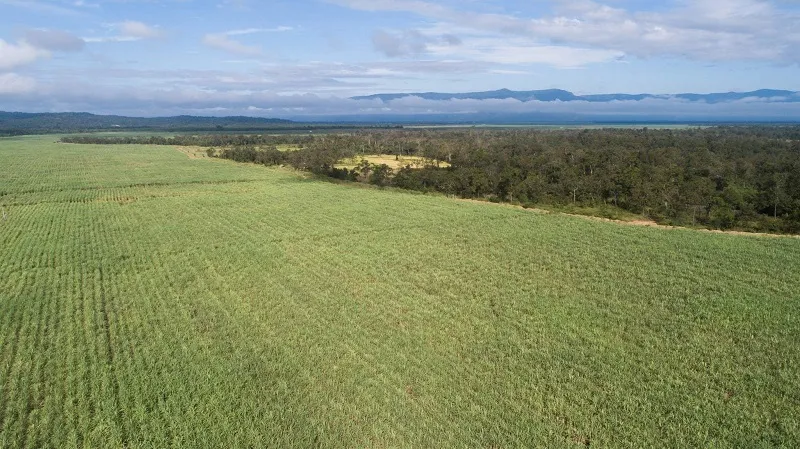
The Thai sugar industry is a cornerstone of the national agricultural economy, directly supporting over 1.2 million farming families and employing hundreds of thousands of workers across mills, refineries, logistics companies, and trading houses. Sugarcane is cultivated on approximately 1.9 million hectares (11.9 million rai) of agricultural land, primarily in the northeastern and central regions of the country.
Thailand exports approximately 70% of its total sugar production, with the remaining 30% consumed domestically. This export-oriented structure means the Thai sugar industry is deeply integrated into global commodity markets and highly responsive to international demand signals. Thai sugar is shipped to over 120 countries, with the largest export destinations being Indonesia, Cambodia, China, the Philippines, South Korea, Japan, and various countries in the Middle East and Africa.
Several structural advantages underpin Thailand's competitiveness in global sugar trade. The country benefits from fertile tropical soils, adequate rainfall, established irrigation infrastructure, a large and experienced agricultural labor force, modern milling and refining technology, well-developed port infrastructure at Laem Chabang and Bangkok, and a regulatory framework that balances farmer welfare with export competitiveness. These factors combine to produce sugar at globally competitive costs while maintaining the quality standards demanded by international buyers.
بيانات رئيسية
إحصاءات إنتاج السكر التايلاندي
مقاييس الإنتاج الرئيسية لصناعة السكر في تايلاند عبر مواسم الطحن الأخيرة، توضح نطاق ومسار القطاع.
| المقياس | 2022/23 | 2023/24 | 2024/25 (Est.) |
|---|---|---|---|
| قصب السكر المعالج | 93.9 M MT | 82.3 M MT | 104.0 M MT |
| إنتاج السكر | 11.0 M MT | 8.8 M MT | 10.2 M MT |
| مساحة قصب السكر | 1.83 M ha | 1.76 M ha | 1.90 M ha |
| عدد المصانع | 57 | 57 | 57 |
| الأسر المزارعة | 1.2 M | 1.2 M | 1.2 M |
| الإنتاجية (قصب/هكتار) | 51.3 MT | 46.8 MT | 54.7 MT |
| معدل استخلاص السكر | 11.72% | 10.69% | 9.81% |
المصادر: مجلس القصب والسكر (OCSB)، شركة المصنعين التايلاندية، USDA FAS. أرقام 2024/25 هي تقديرات بناءً على بيانات موسم الطحن حتى مارس 2025.
التقويم الموسمي
موسم إنتاج السكر التايلاندي
يتبع دورة إنتاج قصب السكر التايلاندية نمطًا موسميًا متميزًا مدفوعًا بالمناخ الموسمي الاستوائي. فهم هذا التقويم ضروري للمشترين الدوليين.
موسم الزراعة
أبريل - يونيو
Sugarcane planting begins with the onset of the rainy season in April and continues through June. Farmers prepare fields, plant cane setts (stem cuttings), and apply initial fertilization. Thailand primarily uses commercial varieties LK92-11, Khon Kaen 3, and K95-84, which are selected for high sucrose content, disease resistance, and suitability to local soil conditions. Ratoon crops (regrowth from previous harvest stubble) account for approximately 60% of the total harvest area, reducing planting costs for farmers.
موسم النمو
يوليو - أكتوبر
During the monsoon months, sugarcane undergoes rapid vegetative growth fueled by abundant rainfall (1,000-1,500mm) and warm temperatures (28-35 degrees Celsius). This is the critical growth period when canes accumulate the bulk of their biomass and sucrose content. Farmers manage weed control, pest monitoring, and supplemental irrigation during dry spells. By October, mature canes reach 2.5-4 meters in height, and the sucrose content begins to concentrate as the dry season approaches and the plant enters its ripening phase.
الحصاد والمعالجة
نوفمبر - أبريل
The crushing season begins in late November when sugarcane reaches peak sucrose content. Thailand's 57 mills operate continuously during this period, with each mill crushing between 10,000 and 30,000 metric tons of cane per day. Harvesting is performed by a mix of mechanical harvesters and manual cutters. Fresh-cut cane must reach the mill within 24-48 hours to prevent sucrose degradation. This is also the peak period for sugar export activity, as freshly produced sugar is available for shipment beginning in December through the following June.
نصيحة التوريد للمشترين الدوليين
The best time to negotiate and lock in prices for Thai sugar is typically September to November, just before the crushing season begins. Early-season contracts often secure more competitive pricing and guaranteed allocation, especially for ICUMSA 45 refined sugar which has limited production capacity. Buyers who wait until mid-season (February-March) may face higher prices and longer lead times as production capacity fills up. For year-round supply, consider establishing a term contract covering multiple shipments across the season.
التوزيع الإقليمي
المناطق الرئيسية لزراعة قصب السكر
تتمركز زراعة قصب السكر في تايلاند في أربع مناطق رئيسية، لكل منها ظروف زراعية-مناخية متميزة.
Nakhon Ratchasima (Korat)
شمال شرق تايلاند — أكبر منطقة إنتاج
Nakhon Ratchasima province and its surrounding area on the Korat Plateau is the single largest sugarcane-producing zone in Thailand, accounting for approximately 25% of national output. The region's well-drained loamy soils, reliable monsoon rainfall, and extensive irrigation canal networks create ideal conditions for high-yield sugarcane cultivation. The province hosts 12 sugar mills, including some of Thailand's largest and most modern facilities. Sugar produced here is known for high sucrose recovery rates due to the favorable growing conditions and short cane-to-mill transport distances.
Udon Thani
أعلى شمال شرق تايلاند
Udon Thani and the upper Isan region form Thailand's second-largest sugarcane production cluster. The area benefits from the Mekong River basin's water resources and a slightly cooler dry season that promotes excellent sucrose accumulation in mature canes. Udon Thani's mills are known for producing high-quality raw sugar with consistent polarization levels. The region has seen significant investment in modern harvesting equipment over the past decade, improving efficiency and reducing post-harvest losses. Approximately 15% of Thailand's total sugarcane crop originates from this area.
Kanchanaburi
غرب تايلاند
Kanchanaburi province in western Thailand offers rich alluvial soils deposited by the Kwai River system, producing some of the highest per-hectare sugarcane yields in the country. The region's warmer and more humid microclimate supports a longer growing season and allows for more productive ratoon crops. Kanchanaburi is home to several vertically integrated sugar companies that operate both mills and refineries, producing finished ICUMSA 45 sugar for export. The region's proximity to Bangkok port provides a logistical advantage for export operations.
Suphan Buri
وسط تايلاند
Suphan Buri and the central plains region benefit from Thailand's most developed irrigation infrastructure, fed by the Chao Phraya River system and the Bhumibol Dam. This reliable water supply reduces drought risk and supports consistently high cane yields even in below-average rainfall years. The region is a major producer of refined white sugar, with several large refineries processing raw sugar from both local mills and other regions. Suphan Buri's central location provides efficient transportation access to both the eastern seaboard ports and Bangkok.
الإطار التنظيمي
التنظيم الحكومي: OCSB
Thailand's sugar industry operates under the oversight of the Office of the Cane and Sugar Board (OCSB), a government agency under the Ministry of Industry established by the Cane and Sugar Act. The OCSB plays a central role in regulating every aspect of the sugar value chain, from sugarcane cultivation and pricing to mill operations and export quotas.
One of the OCSB's primary functions is administering the cane pricing system, which determines the price sugar mills pay to farmers based on a revenue-sharing formula. Under this system, approximately 70% of total sugar revenue (from both domestic sales and exports) is allocated to cane growers, with the remaining 30% retained by mills. This formula ensures farmers receive a fair share of the industry's value creation, supporting rural livelihoods and incentivizing continued sugarcane cultivation.
The OCSB also oversees the licensing of sugar exporters, monitors production quotas, and ensures compliance with international trade obligations. In 2018, Thailand reformed its sugar industry regulatory framework in response to WTO dispute settlement rulings, eliminating direct export subsidies and moving toward a more market-oriented pricing system. These reforms have increased transparency and strengthened Thailand's compliance with international trade rules.
For international buyers, the OCSB's regulatory oversight provides an additional layer of assurance regarding the quality and legitimacy of Thai sugar exports. All licensed exporters must maintain records and comply with quality standards monitored by the OCSB, reducing the risk of substandard products entering the international market.
الوظائف الرئيسية لـ OCSB
- •Cane pricing administration and revenue sharing
- •Sugar mill and exporter licensing
- •Production and export quota management
- •Quality standards enforcement
- •Industry research and development funding
- •International trade compliance monitoring
أداء التصدير
إحصاءات واتجاهات تصدير السكر التايلاندي
يعكس أداء تصدير السكر التايلاندي الموقع المهيمن للبلاد في التجارة العالمية. إليك الاتجاهات الأخيرة.
7.5 M MT
الصادرات 2024/25 (تقديرية)
$3.2B
قيمة التصدير (دولار)
120+
وجهات التصدير
~70%
الإنتاج المصدَّر
Thai sugar exports have demonstrated resilience despite global market volatility. In the 2024/2025 season, exports are estimated at approximately 7.5 million metric tons, rebounding from the drought-affected 2023/2024 season which saw exports decline to approximately 6.0 million metric tons. The export recovery is driven by increased sugarcane production following improved rainfall patterns and expanded planted area.
The composition of Thai sugar exports has evolved significantly over the past decade. While raw sugar (VHP and standard) still accounts for the majority of export volume (approximately 55-60%), the share of refined white sugar (ICUMSA 45 and ICUMSA 100) has grown steadily as Thai refineries expand capacity. This shift toward value-added refined products generates higher export revenue per ton and strengthens Thailand's competitive position in premium sugar markets.
Geographically, Asia remains the dominant destination for Thai sugar exports, absorbing approximately 65% of total volume. Indonesia is typically the single largest buyer, followed by Cambodia, China, and the Philippines. The Middle East accounts for approximately 15% of exports, with significant volumes going to Iraq, Saudi Arabia, and the UAE. Africa represents a growing market, particularly for refined sugar, with Nigeria, Sudan, and Kenya as key destinations.
أهم وجهات التصدير
Indonesia
~2.0 M MT
Raw & Refined
Cambodia
~0.8 M MT
Raw & Refined
China
~0.7 M MT
Raw Sugar
Philippines
~0.5 M MT
Refined
South Korea
~0.4 M MT
Raw Sugar
Japan
~0.3 M MT
Raw Sugar
Iraq
~0.3 M MT
Refined (ICUMSA 45)
Nigeria
~0.2 M MT
Refined
Taiwan
~0.2 M MT
Refined
المقارنة العالمية
تايلاند مقابل البرازيل والهند: مقارنة صناعة السكر
مقارنة جنبًا إلى جنب بين أكبر ثلاث دول منتجة للسكر في العالم، تسلط الضوء على الاختلافات الهيكلية الرئيسية.
| العامل | Thailand | Brazil | India |
|---|---|---|---|
| Global Rank (Export) | 2nd | 1st | 3rd (variable) |
| Annual Production | ~10 M MT | ~38 M MT | ~33 M MT |
| Annual Exports | ~7.5 M MT | ~28 M MT | ~5-8 M MT |
| Export Share of Production | ~70% | ~65% | ~15-25% |
| Crushing Season | Nov - Apr | Apr - Nov | Oct - Apr |
| Primary Export Grade | ICUMSA 45 & Raw | VHP Raw | Raw & Refined |
| Supply Reliability | عالية | عالية | متفاوتة |
| Export Policy | Market-oriented | Market-oriented | Govt. controlled (variable quotas) |
| Transit to Middle East | 14-18 days | 25-35 days | 5-10 days |
| Transit to East Asia | 7-12 days | 30-40 days | 12-20 days |
لماذا تبرز تايلاند
While Brazil dominates in sheer volume, Thailand offers distinct advantages for buyers in Asia, the Middle East, and Africa. Thailand's higher export-to-production ratio (approximately 70%) means the industry is structurally oriented toward serving international markets, unlike India where domestic consumption takes priority and export policy shifts unpredictably. Thailand's strategic geographic position provides significantly shorter and cheaper shipping to the world's fastest-growing sugar-importing regions. Combined with strong quality control standards, reliable regulatory oversight, and a track record of consistent supply, Thailand represents a dependable and competitive sourcing origin for sugar buyers worldwide.
Pricing Reference
Thai Sugar Price 2026 — Current FOB Bangkok Rates for ICUMSA 45 & Raw Sugar
Thai sugar price in 2026 is benchmarked against the ICE Sugar No. 11 (raw) and Sugar No. 5 (white) futures contracts, with a Thailand-origin basis that reflects local production costs, port fees at Laem Chabang and Bangkok, and current export demand. Below are the indicative FOB export price ranges for the primary Thai sugar grades as of 2026.
ICUMSA full form: ICUMSA stands for the International Commission for Uniform Methods of Sugar Analysis — the global standards body that defines measurement methods for sugar purity and color. The ICUMSA number indicates whiteness: ICUMSA 45 (bright white refined sugar), ICUMSA 150 (off-white), ICUMSA 600–1200 (raw or brown sugar). Lower ICUMSA = whiter, more refined sugar.
| Sugar Grade | FOB Price Range (2026) | Benchmark / Notes |
|---|---|---|
| ICUMSA 45 Refined White Sugar | $490 – $600 / MT FOB | Linked to ICE White Sugar No. 5 futures. Premium grade for food, beverage, retail. |
| ICUMSA 150 Refined Sugar | $460 – $570 / MT FOB | $20–$40/MT below ICUMSA 45. Popular in Southeast Asia and Africa. |
| Raw Sugar (ICUMSA 600–1200) | $380 – $480 / MT FOB | ICE Sugar No. 11 + Thailand basis. Standard for refinery feedstock. |
| VHP Raw Sugar (Pol 98.5+) | $400 – $460 / MT FOB | Very High Polarization, preferred by commodity traders and South Asian refineries. |
| Organic Cane Sugar (ICUMSA 45) | $950 – $1,050 / MT FOB | USDA NOP / EU Organic / JAS certified. $200–$300/MT premium over conventional. |
| Brown Cane Sugar (ICUMSA 600–1500) | $430 – $550 / MT FOB | Light and dark varieties. Molasses content 3.5–6.5%. Popular in specialty food markets. |
What drives Thai sugar price in 2026? The Thai sugar price is primarily determined by global ICE Sugar futures — the No. 11 contract for raw sugar and the No. 5 (London) contract for white refined sugar. These international benchmarks move based on global supply-demand balances, Brazilian production seasons, Indian export policy, energy prices (competing with ethanol), and currency movements in the Brazilian real and Indian rupee. The Thai price is the ICE futures price plus a Thailand-origin basis that reflects local costs and logistics.
Seasonal factors affecting Thai sugar prices: The Thai sugar price typically sees its greatest availability and most competitive FOB rates in the January–April window, when fresh production from the November–April crushing season is being loaded for export. Buyers who negotiate forward contracts in September–November, before the crushing season begins, often secure price certainty and allocation advantage. Mid-season (February–March) buyers face less available capacity as export slots fill up.
How to get a current Thai sugar price quotation: Because Thai sugar prices fluctuate with daily ICE futures movements, the prices above are indicative ranges based on 2026 market conditions. For a binding, current FOB price from Kanthararom Sugar, submit an RFQ specifying: grade (ICUMSA 45, raw, organic, etc.), quantity in MT, destination port, Incoterms (FOB/CIF/CNF), and target shipment date. Our export team will respond with a firm price within 24 hours.
التطلع إلى الأمام
النظرة المستقبلية لصناعة السكر في تايلاند
Thailand's sugar industry is well-positioned for sustained growth over the next decade, supported by several positive structural trends and strategic investments across the value chain. The industry is evolving from a traditional commodity sector into a modern, diversified agro-industrial cluster that creates value beyond sugar alone.
Productivity improvements are a key growth driver. Thai sugar mills and research institutions continue to develop and release new sugarcane varieties with higher sucrose content, better drought tolerance, and improved disease resistance. Precision agriculture technologies — including GPS-guided planting, drone-based crop monitoring, and soil sensor networks — are being adopted by progressive farming operations, lifting per-hectare yields and reducing input costs. These improvements should help Thailand maintain globally competitive production costs even as labor and energy costs gradually increase.
Bioeconomy diversificationis transforming the industry's value proposition. Thai sugar mills are increasingly producing ethanol (for gasohol blending), bioelectricity (from bagasse cogeneration), and bio-based chemicals alongside conventional sugar. This diversification creates additional revenue streams, improves asset utilization, and positions the industry to benefit from growing global demand for renewable energy and sustainable materials. Several major Thai sugar groups have announced investments in advanced biorefinery projects that will convert sugarcane into high-value bio-plastics and biochemicals.
Sustainability and certification are becoming competitive differentiators in international sugar markets. Thai producers are responding to buyer demand for sustainably sourced sugar by pursuing Bonsucro certification (the leading global sustainability standard for sugarcane), implementing zero-burn harvesting practices, reducing water consumption through drip irrigation, and adopting carbon-neutral production targets. These efforts align with the ESG (Environmental, Social, and Governance) priorities of multinational food and beverage companies that are increasingly scrutinizing their supply chain sustainability credentials.
Trade policy developmentscontinue to open new market opportunities. Thailand's participation in ASEAN free trade agreements, the Regional Comprehensive Economic Partnership (RCEP), and bilateral trade negotiations creates preferential market access for Thai sugar exports. As these agreements reduce tariff barriers, Thai sugar becomes increasingly price-competitive in key importing markets across the Asia-Pacific region.
While challenges remain — including climate variability, water resource competition, labor shortages in rural areas, and global sugar price volatility — Thailand's sugar industry has repeatedly demonstrated its resilience and adaptability. With a strong foundation of agricultural expertise, modern infrastructure, supportive regulation, and growing international demand, the outlook for Thai sugar exports remains fundamentally positive through 2030 and beyond.
Further Reading
Related Resources
Explore products, guides, and country-specific export pages for importers sourcing Thai sugar.
Thai Sugar Exporter Overview
About Kanthararom — direct-mill supply, certifications, and export capabilities.
ICUMSA 45 Sugar Guide
Specifications, pricing benchmarks, and sourcing guide for ICUMSA 45 refined sugar.
Bulk Sugar Supply
Container capacities, MOQ, loading schedules, and bulk pricing for large orders.
2026 Pricing Guide
Current Thai sugar export prices, FOB benchmarks, and seasonal market trends.
ICUMSA Grades Explained
Full comparison of all ICUMSA sugar grades: 45, 100, 150, 600, 800, 1200.
Sugar Export to Nigeria
Nigerian sugar import market: ports, documentation, and freight from Thailand.
Sugar Export to UAE
Dubai and Abu Dhabi import market: buyer profile, preferred grades, and logistics.
Refined White Sugar
Full specs, packaging options, and pricing for ICUMSA 45 refined white sugar.
جاهز للبدء في الاستيراد؟
يساعدك فريق التصدير لدينا في الانتقال من البحث إلى أول شحنة. عرض سعر وإرشاد وثائقي ودعم لوجستي.